
AI Garden Planner
Vague briefs produce vague gardens
"Make it look nice" is not a brief, and it is what most people type first. An AI garden planner returns roughly the quality of instruction it receives, so learning to describe a layout properly is the single highest-leverage skill here. It takes about two minutes to learn and changes every result afterwards.
- Name the job, the constraint and the feeling
- Three parts beats three adjectives
- Three free plans a day, no credit card
- Works on iPhone, Android and browser



What an AI garden planner does with a brief
An AI garden planner takes a photograph of a real space plus a description of what it needs to do, and returns an arrangement — seating, paths, beds, screening and focal points — rendered onto that space. The photograph supplies the constraints; the brief supplies the intent. Weak intent is what produces generic results.
How it works
The three-part brief
Every useful brief names a job, a constraint and a feeling. Miss one and the model fills the gap with something generic.
- 1
The job
What must this space let you do? "Seat six for dinner." "Give the kids somewhere to run." "Grow herbs by the kitchen door." Concrete and testable.
- 2
The constraint
What limits it? "Overlooked from the left." "North-facing and damp." "Nothing that needs weekly upkeep." This is what makes the plan yours.
- 3
The feeling
How should it read? "Calm and green" leads somewhere different from "bright and social", even with the same job and constraint.
- 4
Then generate
Three parts, one sentence each. That is a brief the planner can act on.

Examples
What a weak and a strong brief look like
A weak brief: "modern garden with nice planting". Every word is a preference and none is a constraint, so the model has nothing to solve. What comes back is competent and completely generic — a garden that would suit anybody, which means it suits nobody in particular.
A strong brief for the same space: "Seating for six that stays usable in the evening, screened from the neighbours on the left, low upkeep, calm and green rather than colourful." Same length. Now there is a job, a constraint and a feeling, and the plan that comes back is arguing for something.
- Weak: "modern garden with nice planting"
- Strong: names who uses it, what blocks it, how it should feel
- Adjectives alone give the model nothing to solve
- One sentence per part is enough — this is not an essay
Refining
Change the brief, not just the style
When a plan comes back wrong, the reflex is to switch style and try again. Usually the style was fine and the brief was underspecified — you got a generic answer because you asked a generic question.
A more productive move is to look at what the plan got wrong and turn that into a new constraint. Seating in the shade? Add "sunny in the evening". Too fussy to maintain? Add "nothing needing weekly attention". Each disappointing result is telling you which constraint you forgot to state.
- Treat every bad result as a missing constraint
- Add the constraint rather than switching style blindly
- Keep the photograph identical while you refine wording
- Two or three brief revisions usually lands it
Limits
What no brief will fix
Brief technique improves the design, not the physics. However precisely you describe a terrace, the render will not tell you whether it drains, what the retaining needs to be, or how deep the footings go. Those questions are outside what an image model does, and no amount of prompt craft changes it.
It also cannot invent space. A brief asking for a pool, an outdoor kitchen and a lawn in a small yard produces a cramped render because the request is genuinely impossible — which, to be fair, is useful information delivered cheaply.
FAQ
Questions people ask
How should I describe my garden to an AI planner?
+
In three parts: the job it must do, the constraint that limits it, and the feeling it should have. One sentence each is enough.
Why do my results look generic?
+
Almost always an underspecified brief. Adjectives alone give the model nothing to solve — add a concrete job and a real constraint.
Should I change style or wording when a plan is wrong?
+
Usually the wording. Look at what the plan got wrong and turn it into an explicit constraint, keeping the same photo.
Is the AI garden planner free?
+
Three plans a day are free with no credit card. Free results carry a small watermark.
Can a better brief fix drainage or levels?
+
No. Brief technique improves the design, not the engineering. Levels, drainage and structure still need a professional.
Does it produce a plan-view drawing?
+
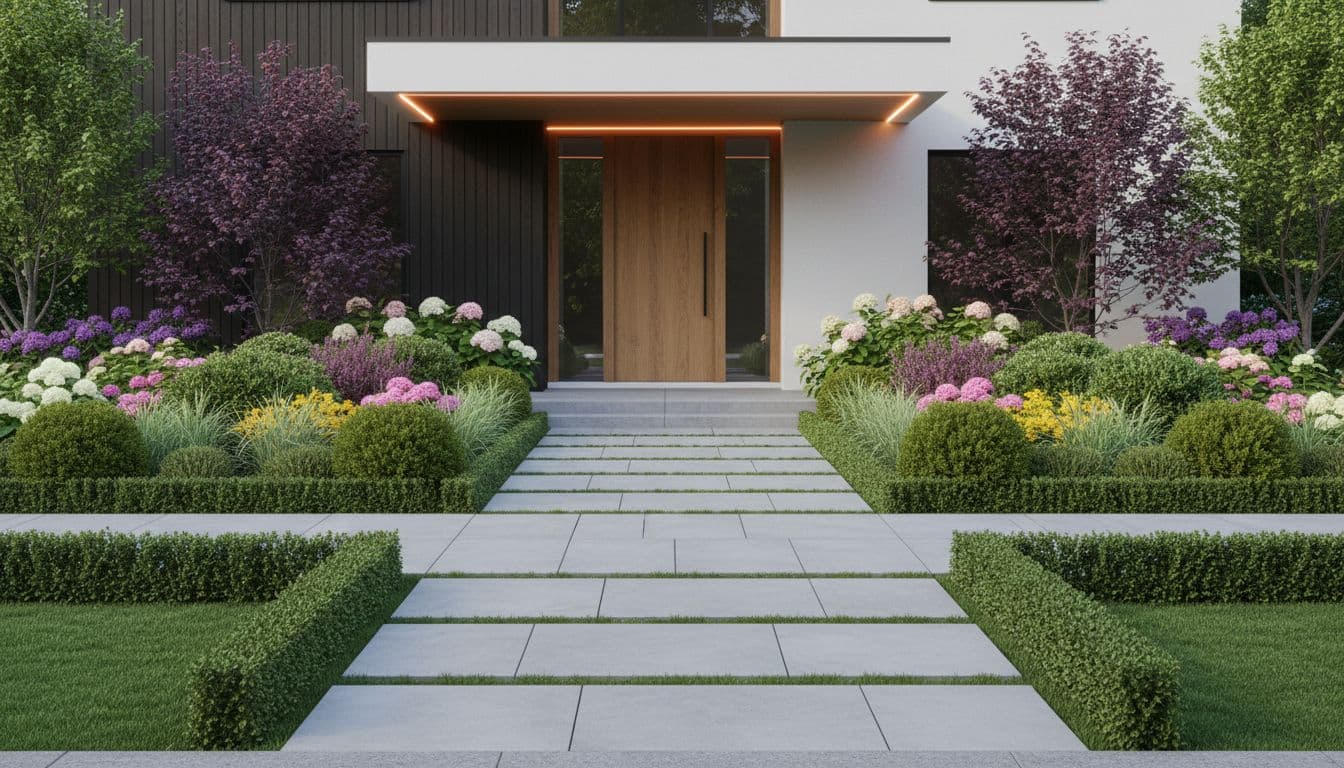
No — it renders eye-level photorealistic images, which is how you actually experience a garden. Use measured drawings for construction.
Write a better brief, get a better plan
Job, constraint, feeling. Three free plans a day to practise on.