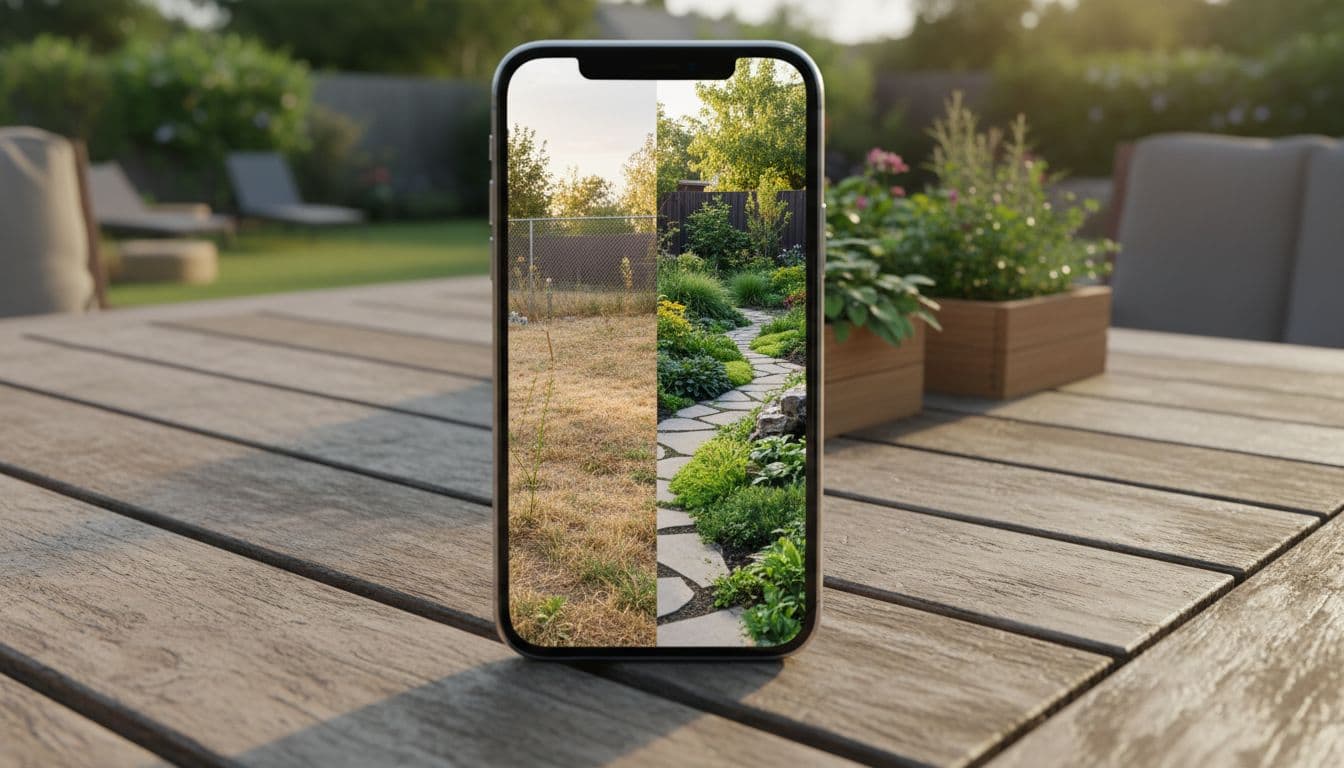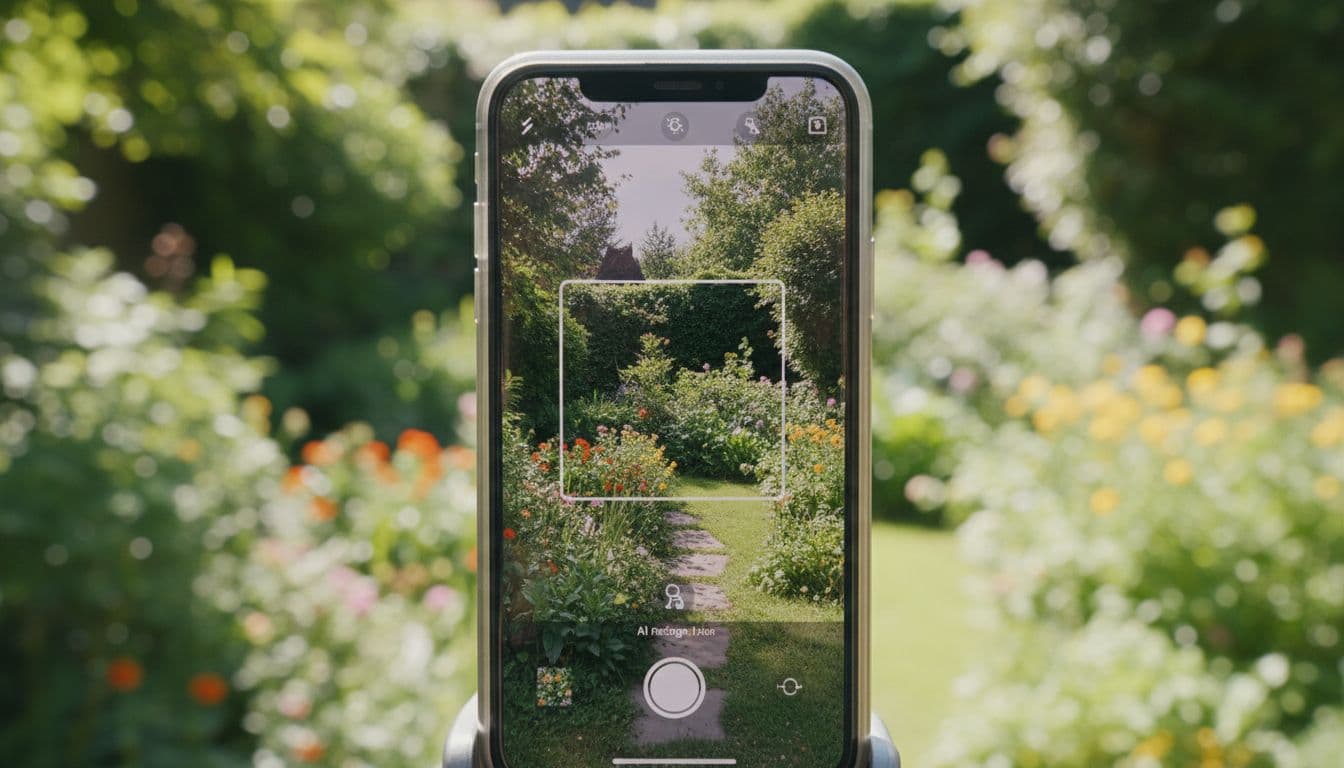
Two trends are converging in 2026: homeowners are spending more thought (and money) on outdoor spaces, and more of them are turning to AI tools to plan before they commit. Below is a look at what public data actually shows about both trends, sourced from established research organizations, plus what it means if you are thinking about redesigning your own garden.
This is not a marketing survey dressed up as research. Every figure below links back to a named, independent source — the National Association of Realtors, Pew Research Center, the U.S. EPA, and the Harvard Joint Center for Housing Studies — so you can check the original data yourself. The goal is to connect what is genuinely happening in home improvement and AI adoption to a practical question: does it make sense to try AI garden design before your next outdoor project? The data suggests yes, and here is why.
Outdoor Spaces Are a Growing Priority for Homeowners
Landscaping and curb appeal consistently rank among the home features that influence buyer interest. The National Association of Realtors’ research on remodeling and buyer preferences has repeatedly found that outdoor upgrades — from lawn care to full landscaping projects — are among the improvements agents most often recommend before a sale, precisely because they shape a buyer’s first impression before they even step inside.
That first-impression effect is not limited to sellers. It is the same reason so many homeowners start a garden project with a simple question: what could this space actually look like? That question is exactly what an AI garden design app like FlorAI is built to answer.

AI Tool Adoption Is Rising Fast — Including for Visual Planning
Generative AI adoption has moved from novelty to habit in a short window of time. Pew Research Center has tracked a steady rise in the share of U.S. adults who have tried tools like ChatGPT since their mainstream debut, with usage climbing across nearly every age group. As familiarity with AI tools grows, more of that usage is shifting from novelty text generation toward practical, visual applications — including planning physical spaces like a kitchen, a room, or a garden.
This shift matters for homeowners specifically because visual AI tools solve a problem that text-based tools cannot: they let you see a concept based on the space you actually have, rather than describing it in words and imagining the result yourself.
Which Garden Styles Fit This Shift Best?
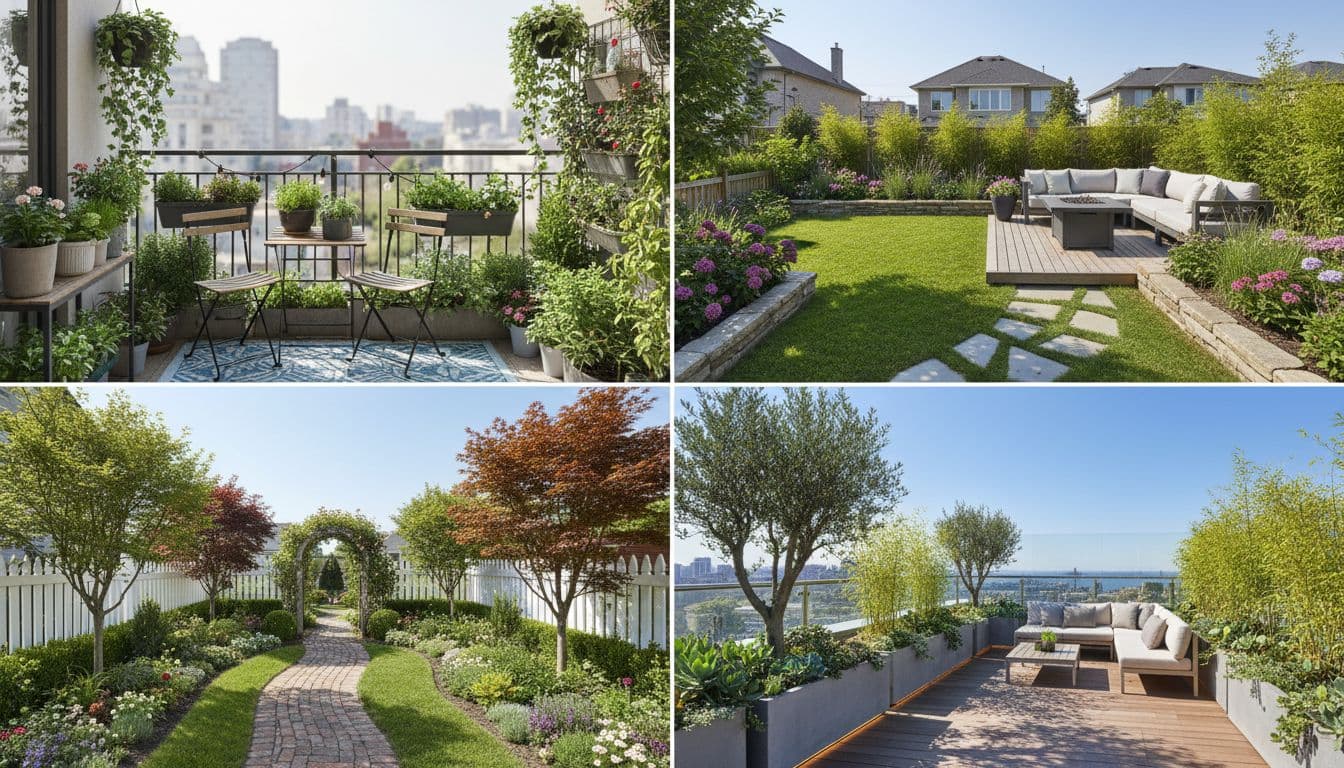
Beyond spending and tool adoption, style preference matters too. Homeowners exploring AI garden design tend to gravitate toward a handful of clear directions inside FlorAI’s garden design styles: modern minimalist layouts with clean lines and structured planting, low-maintenance and native-plant designs suited to water-conscious upkeep, and cozy cottage-style gardens with dense, layered flower beds. Balcony and small-space design has also become a bigger category as more planning happens in urban settings — a natural fit for the mobile-first, on-the-spot way people now research home projects.
Home Improvement Spending Keeps Climbing
Outdoor projects are not a passing trend inside the broader home improvement picture. The Harvard Joint Center for Housing Studies’ remodeling research has tracked steady growth in homeowner spending on renovation and improvement projects over the past decade, with outdoor and landscaping work regularly cited as a category homeowners return to year after year — not a one-time expense. That steady demand is part of why tools that make early-stage planning faster and cheaper, like AI garden design, have found a natural audience: they lower the cost of exploring an idea before committing real budget to it.
Planning Has Gone Mobile-First
It is worth noting where this planning actually happens. Pew Research Center’s long-running surveys on smartphone ownership and use show that the large majority of U.S. adults now own a smartphone, and for many households it is the primary device used to search, research, and make everyday decisions — including home and garden projects. That is exactly why an AI garden design app for iPhone and Android matters as much as a desktop tool: the decision to redesign a garden increasingly starts on the same device people are already holding while standing in it.
Sustainable and Low-Maintenance Design Is a Recurring Theme
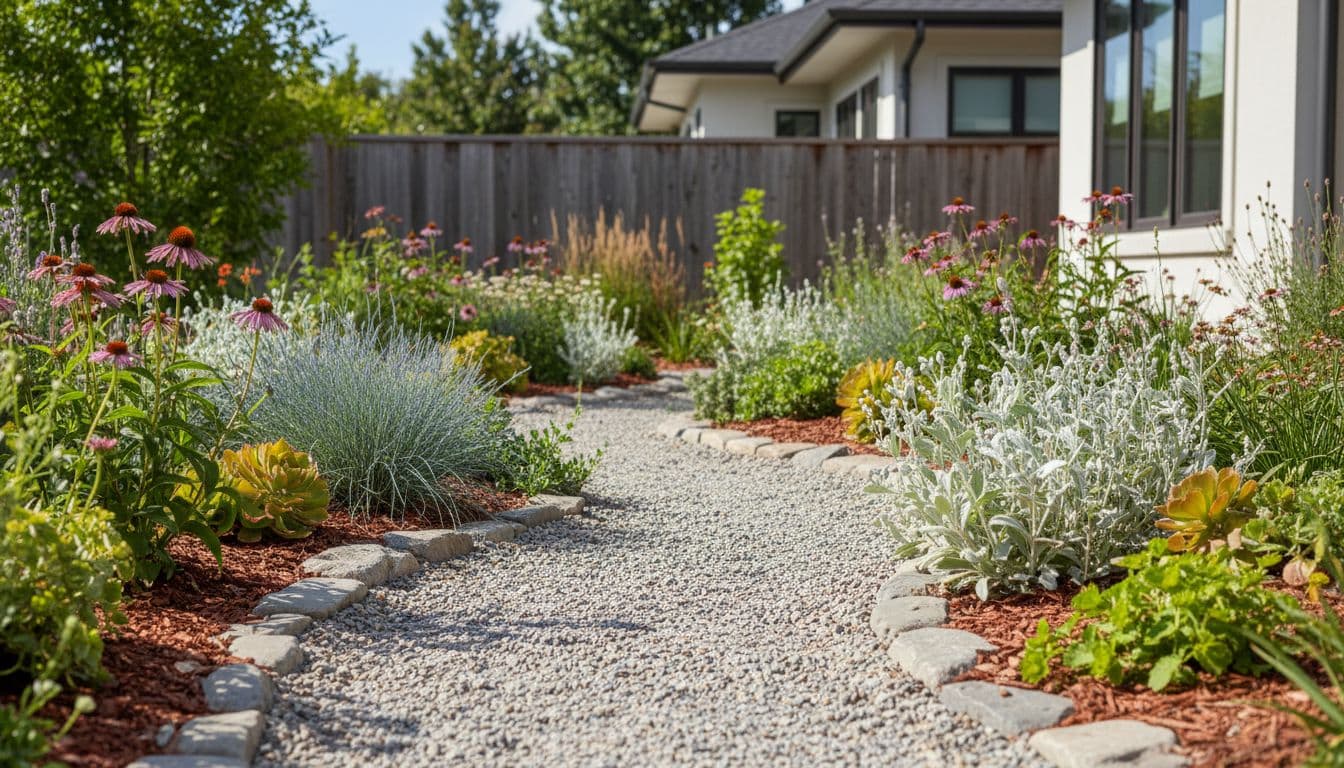
Water-conscious landscaping continues to gain attention as a practical, cost-saving choice. The U.S. Environmental Protection Agency’s WaterSense program notes that landscaping and irrigation can account for a significant share of household water use in many regions, and that well-planned, appropriate planting can reduce that share considerably. This is one reason “low-maintenance” and native-plant styles are among the most requested garden design styles inside FlorAI — homeowners are not just optimizing for looks, they are optimizing for upkeep and water use too.
Plan Your Next Garden Project With Data-Backed Confidence
Upload a photo of your own garden and see an AI garden design in seconds. Available on iPhone, Android, and Web.


Seasonality Still Shapes When Projects Start
Even with planning available year-round through a phone, outdoor projects still follow a seasonal rhythm in most climates. Spring and early summer remain the periods when landscaping search interest and remodeling activity typically peak, based on the same Harvard JCHS remodeling tracking referenced above. What has changed is the planning window, not the building window — homeowners can now compare AI garden design ideas months ahead of the season they intend to act, instead of starting the research process from scratch once the weather turns.
Reading the Data Honestly: What It Does and Doesn’t Show
It is worth being direct about the limits of this picture. None of the sources above measure AI garden design adoption specifically — that category is too new for large research bodies to have dedicated survey instruments yet. What the data does show, reliably, is three separate but related facts: homeowners keep spending on outdoor improvements, AI tool usage keeps climbing across nearly every practical use case, and planning behavior has shifted onto mobile devices. Put those three facts next to each other and the conclusion that AI garden design sits at their intersection is a reasonable inference, not a proven statistic — but it is one every homeowner can test for themselves in under a minute by trying it on their own photo.
A Quick Snapshot of the Numbers
- Landscaping and outdoor upgrades remain among the improvements real estate agents most commonly recommend before a home sale (National Association of Realtors).
- Generative AI tool usage among U.S. adults has climbed steadily since mainstream tools launched, with adoption spreading across age groups (Pew Research Center).
- Smartphone ownership is now the norm among U.S. adults, making mobile the default device for everyday research and planning (Pew Research Center).
- Landscaping and irrigation can represent a meaningful share of household water use, and thoughtful planting can reduce it (U.S. EPA WaterSense).
- Homeowner spending on remodeling and improvement projects has shown sustained growth over the past decade (Harvard Joint Center for Housing Studies).
What This Means If You Are Planning a Garden Project
Put together, the data points in one direction: outdoor space matters more to homeowners than it used to, and AI tools are increasingly part of how people plan before they spend. Testing a few directions on your own photo — modern, cottage, low-maintenance, or something else — before buying plants, pavers, or furniture mirrors exactly how professional designers iterate, just compressed into seconds instead of weeks.
FlorAI – AI Garden Design was built around that exact workflow. Upload a photo of your backyard, patio, balcony, terrace, or front yard, and see AI garden design ideas across multiple styles before you commit to a direction. You can review the full how it works process or compare FlorAI against traditional planning methods on the FlorAI comparison page.
Sources
- National Association of Realtors — Research & Statistics
- Pew Research Center — Americans’ Use of ChatGPT
- U.S. EPA WaterSense — Landscaping
- Harvard Joint Center for Housing Studies — Remodeling Research
- Pew Research Center — Mobile Fact Sheet
Frequently Asked Questions
Is landscaping actually a good investment?
Industry data from the National Association of Realtors puts landscaping and outdoor upgrades among the home improvements most likely to appeal to buyers, with well-maintained landscaping frequently cited as a factor in a home’s curb appeal and resale value.
Are more people using AI tools for home projects?
Broad survey data from Pew Research shows a fast-growing share of U.S. adults have used generative AI tools, and adoption for practical, visual tasks like planning a home or garden project continues to rise year over year.
What role does AI garden design play in this trend?
AI garden design apps like FlorAI let homeowners visualize a project on their own photo before spending money, which fits directly into the broader trend of using AI tools for practical, high-stakes home decisions.
Do most homeowners plan garden projects on their phone or a computer?
Pew Research data shows smartphone ownership is now the norm among U.S. adults, and mobile devices are commonly used for everyday research and planning. That is why FlorAI is built for iPhone and Android first, with a Web App available for larger-screen planning.
Try AI Garden Design on Your Own Photo
Download FlorAI on the App Store or Google Play, or try the Web App — see your garden reimagined in seconds.
Get FlorAI on the Apple App Store, on Google Play, or try the FlorAI Web App.